
Fabricante líder de maquinaria CNC que ofrece precios directos de fábrica y calidad con certificación ISO, respaldado por una presencia global en más de 60 países y un compromiso de por vida con soporte técnico ilimitado.




Fabricante líder de maquinaria CNC que ofrece precios directos de fábrica y calidad con certificación ISO, respaldado por una presencia global en más de 60 países y un compromiso de por vida con soporte técnico ilimitado.
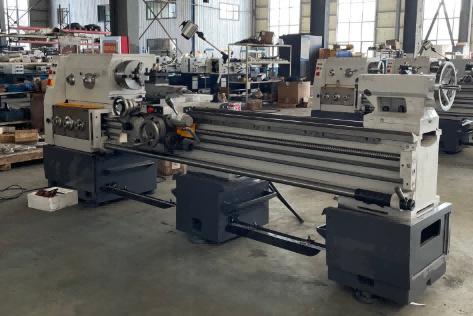
Para un pequeño taller que recién comienza, elegir el equipo adecuado es fundamental. El dinero escasea. El espacio es limitado. Cada compra debe ser rentable. torno universal manual El torno universal manual suele ser la primera máquina que nos viene a la mente. Pero, ¿sigue siendo una buena opción hoy en día? La respuesta es sí. Para muchos talleres pequeños, un torno universal manual es una excelente elección. Esta guía explica por qué.
Bajo costo para comenzar
Un torno universal manual cuesta mucho menos que un torno CNC. Un buen torno universal manual usado se puede comprar por unos pocos miles de dólares. Un torno CNC nuevo cuesta diez veces más o incluso más. Para un taller pequeño con un presupuesto limitado, esto representa una gran ventaja.
Puedes comprar un torno universal manual, herramientas y equipos de medición por menos de lo que cuesta el pago inicial de una máquina CNC. Esto te permite empezar a fabricar piezas y ganar dinero de inmediato.
No se necesita programación
tornos CNC de alta resistencia Se necesitan programas. Alguien tiene que escribir el código. Eso implica aprender código G o comprar software CAM. Para un taller unipersonal, esto supone mucho trabajo extra.
Un torno universal manual no necesita programas. Simplemente se consulta el plano, se configura la máquina y se fabrica la pieza. Esto resulta mucho más sencillo para talleres pequeños que realizan diversos trabajos.
Configuración rápida para piezas sencillas
Configurar un torno universal manual es rápido. Se monta la pieza de trabajo, se coloca una herramienta en el portaherramientas y ya está listo para mecanizar. Para piezas sencillas como espaciadores, casquillos o ejes, la configuración lleva solo unos minutos.
En un torno CNC, es necesario cargar el programa, ajustar las compensaciones de las herramientas y verificar todo. Esto lleva más tiempo. Para las series cortas que suelen realizar los talleres pequeños, el torno universal manual suele ser más rápido de principio a fin.
Ideal para trabajos de reparación.
Los talleres pequeños suelen realizar trabajos de reparación. Un agricultor local necesita un pasador nuevo para su tractor. Una fábrica necesita un eje de repuesto para una máquina averiada. Son trabajos puntuales, ideales para un torno universal manual.
No necesitas programar nada. Simplemente mides la pieza vieja y fabricas una nueva. El trabajo suele estar terminado antes de que un programa CNC esté listo.
Bajos costos de mantenimiento
Los tornos universales manuales son máquinas sencillas. Engranajes, correas y cojinetes. Sin ordenadores. Sin placas de circuitos. Sin software. Si algo se estropea, puedes arreglarlo tú mismo. Hay repuestos disponibles. Cualquier mecánico puede trabajar con un torno universal manual.
Las máquinas CNC requieren técnicos especializados. El tiempo de inactividad puede ser prolongado. Los costos de reparación son elevados. Para un taller pequeño, esto representa un riesgo importante.
Sin preocupaciones por la energía
Se va la luz. Los ordenadores fallan. Los archivos se corrompen. Los tornos universales manuales no tienen ninguno de estos problemas. Se giran los volantes. La máquina funciona. Sin electrónica. Sin software. Sin preocupaciones.
Para los pequeños talleres en zonas con suministro eléctrico inestable, esto supone una gran ventaja. El torno universal manual funciona cuando las máquinas CNC están fuera de servicio.
Huella pequeña
Los tornos universales manuales son compactos. Un torno convencional ocupa menos espacio que un torno CNC de capacidad similar. No tienen transportador de virutas, ni unidad hidráulica, ni armario eléctrico voluminoso. La máquina se instala directamente en el suelo y funciona.
Para un taller pequeño con espacio limitado, el torno universal manual resulta adecuado donde un torno CNC no lo sería.
Funcionamiento silencioso
Los tornos universales manuales son silenciosos. Los engranajes hacen algo de ruido, pero no tienen husillos de alta velocidad, ni bombas de refrigerante, ni unidades hidráulicas. Se puede usar un torno universal manual sin protección auditiva. Incluso se puede conversar cerca. Esto es ideal para un taller pequeño donde se trabaja solo.
Enseña habilidades valiosas
Manejar un torno universal manual te enseña los fundamentos. Aprendes sobre velocidades y avances. Aprendes sobre la geometría de las herramientas. Aprendes sobre el comportamiento de los materiales. Aprendes qué funciona y qué no.
Estas habilidades te convierten en un mejor maquinista. Incluso si más adelante compras un torno CNC, las habilidades que aprendas con un torno universal manual te ayudarán a programarlo y manejarlo mejor.
Sin obsolescencia
Los sistemas de control CNC quedan obsoletos. El ordenador que controlaba su máquina hace cinco años puede que ya no esté disponible. El software cambia. Las piezas son difíciles de encontrar. Los tornos universales manuales nunca quedan obsoletos. La misma tecnología que funcionaba hace cincuenta años sigue funcionando hoy.
Un torno universal manual comprado hoy seguirá siendo útil dentro de veinte años. Esto es importante para un taller pequeño que no puede permitirse el lujo de reemplazar las máquinas con frecuencia.
Maneja una amplia gama de materiales.
Los tornos universales manuales cortan acero, acero inoxidable, hierro fundido, aluminio, latón, bronce y plástico. Cambie la herramienta. Cambie la velocidad. Cambie el avance. La máquina se encarga del material.
Esta versatilidad es importante para los talleres pequeños. Nunca se sabe qué material traerá un cliente. El torno universal manual puede con todo.
Herramientas flexibles
Los tornos universales manuales admiten casi cualquier herramienta. Herramientas de carburo soldadas, herramientas de acero de alta velocidad, plaquitas indexables, herramientas de conformado, cuchillas de corte. Cualquier herramienta que tengas, puedes usarla. No es necesario que la herramienta se ajuste a un portaherramientas específico.
En un torno CNC, las herramientas deben ajustarse a la torreta. Esto reduce la flexibilidad. En un torno universal manual, se puede afilar una herramienta especial en minutos y usarla de inmediato.
Tú tienes el control
El operador tiene el control. No un programa. Esto permite realizar ajustes sobre la marcha. Si el material es más duro de lo esperado, se reduce la velocidad. Si el acabado es áspero, se modifica la velocidad de avance. Uno se adapta a la situación.
Esto resulta valioso para talleres pequeños que manejan una gran variedad de trabajos. No se puede prever todas las posibilidades, pero se puede adaptar sobre la marcha.
Buen valor de reventa
Los tornos universales manuales conservan bien su valor. El mercado de segunda mano es activo. Un torno universal manual en buen estado se vende rápidamente. Si más adelante adquiere una máquina CNC, puede vender el torno universal manual y recuperar gran parte de su inversión.
Lo que un torno universal manual no puede hacer
Un torno universal manual no es para todos. No puede realizar contornos complejos con facilidad. No puede mantener las tolerancias más estrictas pieza tras pieza. No puede funcionar sin supervisión durante horas. No dispone de herramientas motorizadas para fresado.
Para la producción en grandes volúmenes, un torno CNC es mejor. Para piezas complejas, un torno CNC es mejor. Para talleres que necesitan operar sin supervisión, un torno CNC es mejor.
En resumen
Para un taller pequeño, un torno universal manual suele ser una excelente opción. Es económico, no requiere programación, se configura rápidamente, es ideal para trabajos de reparación, requiere poco mantenimiento, no tiene problemas de alimentación eléctrica, ocupa poco espacio, enseña habilidades valiosas y nunca queda obsoleto.
Un torno universal manual no lo hace todo, pero sí muchas cosas. Fabricará piezas que generan ingresos, se amortizará rápidamente y durará años.
Empieza con un torno universal manual. Aprende el oficio. Gana dinero. Cuando el trabajo aumente, añade una máquina CNC. Conserva el torno universal manual para reparaciones y trabajos puntuales. Así es como empezaron muchos talleres exitosos.
El torno universal manual no está obsoleto. Es una herramienta práctica indispensable en muchos talleres pequeños. Si estás montando un taller, un torno universal manual es una excelente opción. Funciona. Es rentable. Es duradero. Eso es lo que importa.
Dejar un mensaje
Escanea y envíalo a WeChat/WhatsApp. :