
Metal spinning machines deliver a flexible metal forming solution for producing seamless, rotationally symmetric parts. Instead of cutting away excess metal, this process reshapes raw blanks through controlled plastic deformation under rotation. Many manufacturers choose CNC spinning equipment to replace traditional stamping, casting or turning for thin-walled hollow components.
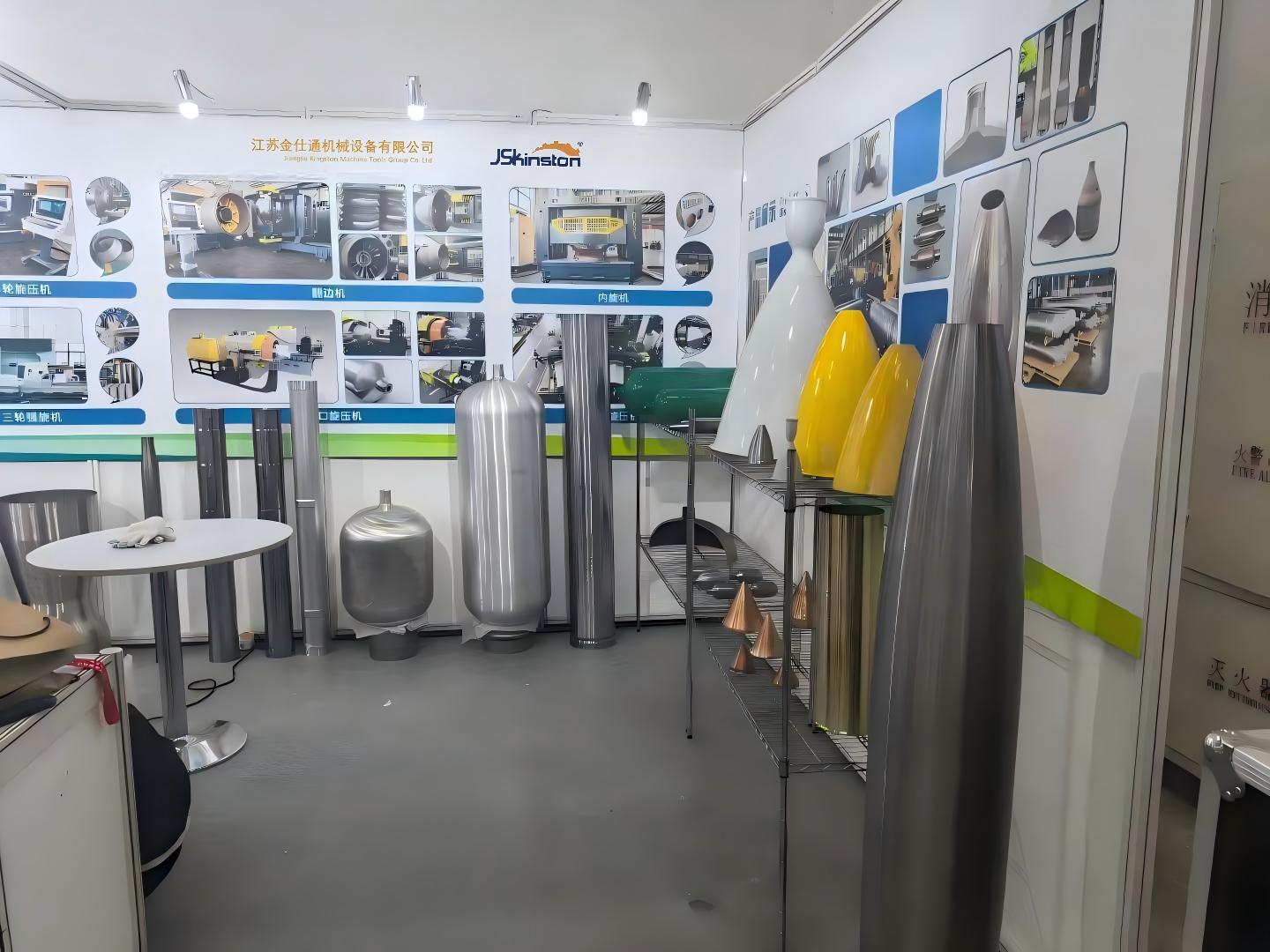
A typical CNC metal spinning machine consists of a heavy-duty spindle, hydraulic or servo spinning rollers, sturdy machine bed, CNC control system and clamping fixtures.
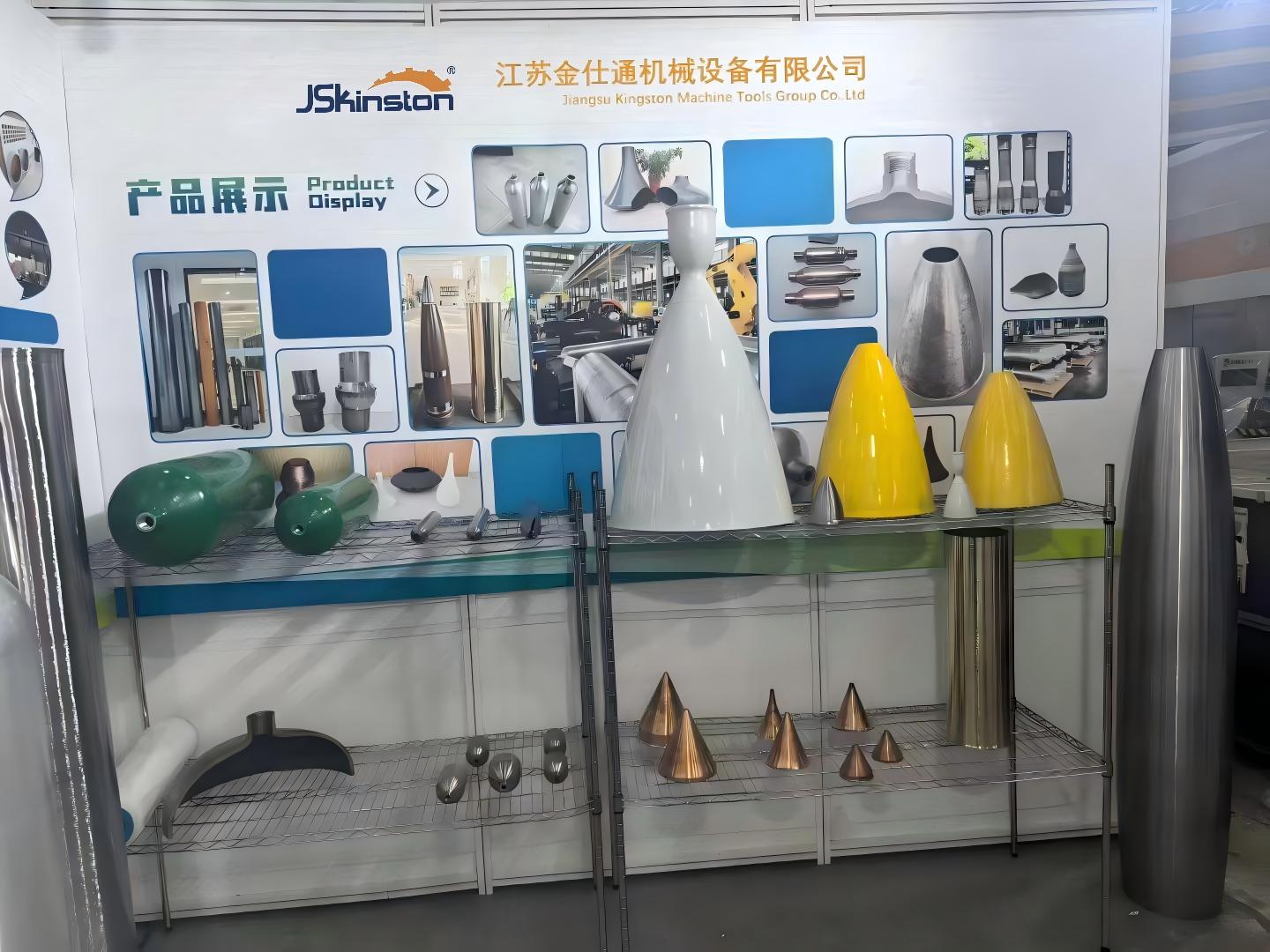
1. Seamless workpiece structure: Spun parts have no weld seams. This improves pressure resistance, ideal for pressure vessels and fluid transfer components.
2. Lower tooling investment: Compared with stamping dies that require high cost for large molds, spinning only needs a mandrel. It saves huge tooling expense for small & medium batch production.
3. Lightweight finished parts: Uniform thin wall can be achieved without sacrificing mechanical strength, supporting lightweight design in automotive and aerospace sectors.
4. Fast prototype turnaround: New product samples can be produced quickly by modifying CNC programs, no need to remake complicated molds.
Low-carbon steel, stainless steel, aluminum alloy, copper, brass and some ductile alloy steel. Hard brittle materials such as cast iron cannot be spun.
Q1: What parts are best made by metal spinning?
A: Axisymmetric hollow parts, including cones, reducers, hemispherical shells, lamp reflectors, nozzles and fan covers.
Q2: What is the difference between single roller and dual roller spinning machine?
A: Dual roller machines apply balanced force on both sides of the workpiece, less vibration, more suitable for tube necking and large heavy workpieces. Single roller is more common for sheet blank spinning.
Q3: What is the production speed of metal spinning?
A: It depends on part size, material and wall thickness. Spinning is faster for prototyping and small batches; stamping is more efficient for mass production.
Q4: Can spinning work on thick metal plates?
A: Yes, but thicker material requires higher machine rigidity and more forming passes. The machine power limits the maximum blank thickness.
Q5: Does spinning require post-processing?
A: Parts can be directly used in many cases. Sometimes trimming, polishing or surface coating will be added as secondary operations.
Dejar un mensaje
Escanea y envíalo a WeChat/WhatsApp. :